Recognizing The Link Between Urinary Incontinence And Menopause: Westover Hills Females's Wellness: Obgyns
Menopause And Incontinence
For example, you may only leakage a few declines of urine when you laugh, workout, cough, or pick up heavy objects. Or you could experience an abrupt impulse to urinate and be not able to maintain it in prior to reaching the toilet, leading to an accident. While urinary incontinence can impact people of any ages, it's particularly usual in females because of factors like maternity, childbirth, menopause, aging, and hormone adjustments.# 1 Do Not Pee "Just In Case"
Surgical treatment to repair and lift your bladder into a far better position is usually the last option for UI treatment. It's considered for people that can't be assisted by other forms of therapy. Infections of your urinary system tract or bladder may create short-lived UI. When the infection is gotten rid of, your UI will likely deal with or boost. Among the most handy means to relieve bladder issues in perimenopause is with healthy washroom routines.- Since the pelvic floor is no more as strong, the daily sensation of bladder pressure feels a lot more extreme.
- The dependence on self-reported information in some cases might cause under- or over-estimation of UI frequency.
- They can also result from hormonal conditions like hypothyroidism, adrenal inequalities, or polycystic ovary disorder (PCOS).
- Your symptoms might disappear entirely, you might see a renovation in your signs yet still have some leak, or you may not see any kind of improvement in any way.
What Creates Urinary System Incontinence?
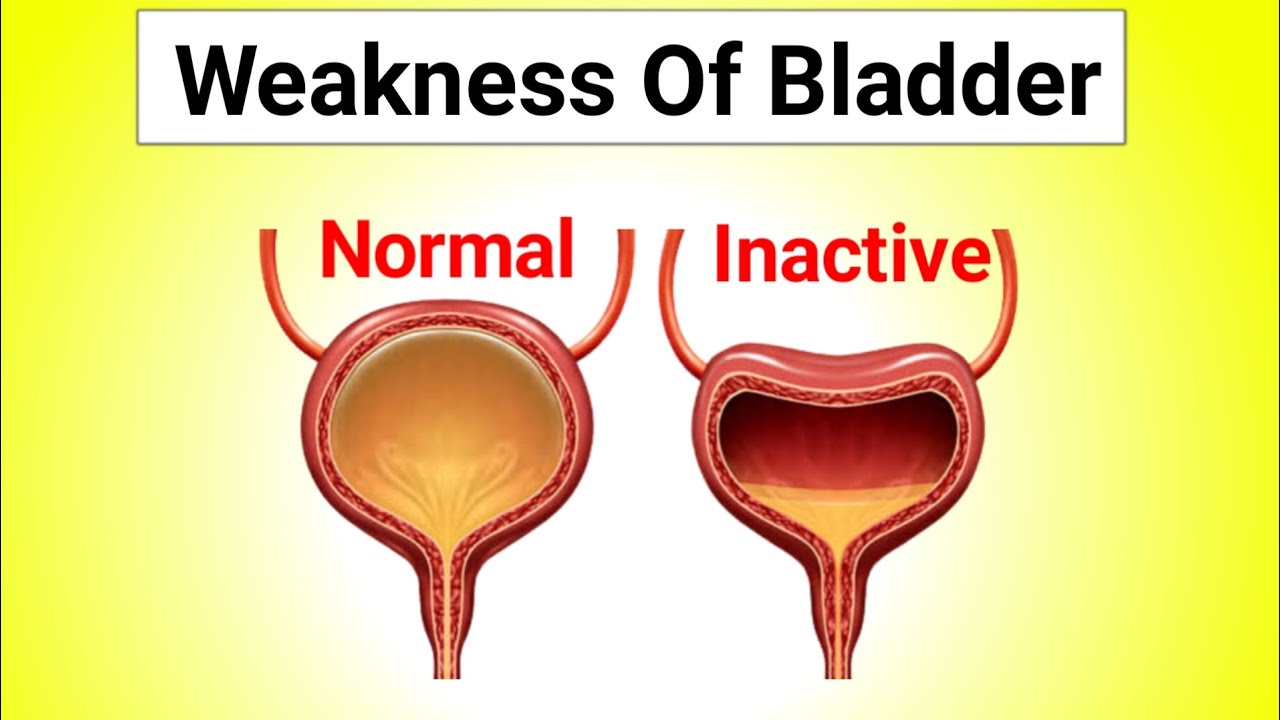
While incontinence can be a part of aging, there are ways to stop and reduce symptoms. What you eat, exactly how you move, and just how you preserve your general wellness can all help. While it may appear counterintuitive, staying well moisturized can help in reducing bladder irritability. Specific problems such as numerous sclerosis, diabetic issues, or Parkinson's disease can create nerve damage which can make it more challenging to regulate the bladder. These are all signs ladies can experience prior to they enter menopause throughout a time called perimenopause.
Maintaining your pelvic flooring and Click for more core in good form can help to stop and reduce bladder troubles and strengthen your pelvic floor muscle mass throughout perimenopause. Way of living changes can play a major function in managing hormone-related urological problems. Consuming alcohol adequate water maintains the urinary system tract healthy, but avoiding high levels of caffeine and alcohol can reduce bladder inflammation. Recognizing exactly how hormonal agents regulate these systems assists discuss common signs that develop with age, pregnancy, or menopause.